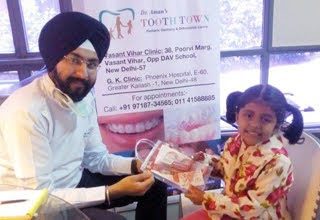
Dental visits can be a source of stress for many. While dental anxiety is a common issue, it shouldn't stand in the way of your receiving the right care. Learning how to prepare for a painless dental visit can make all the difference in the world.
Dental visits are usually something that may lead to apprehension or stress. Many patients will put off an appointment because they may be afraid of pain or discomfort. However, modern dentistry is all about patient comfort and managing pain.
Knowing how to calm nerves before a dentist appointment helps reduce anxiety. Preparing ahead ensures the visit is smooth, stress-free, and even relaxing.
This blog helps you overcome dental anxiety and have a comfortable dental experience at the tooth town dental clinic.
Preparation for a dental visit can considerably reduce stress levels. Patients feel safe and in control when they know what awaits them.
Dentists work more effectively when the patient is in a state of relaxation. Preparation can minimize discomfort, making many procedures nearly painless.
It is easier to express concerns when relaxed. Dentists can understand your needs and provide a comfortable dental experience.
Dental visit at Dr Aman’s Tooth Town helps to reduce dental pain, detect tooth problems, and diagnose problems before getting worse.
Dr Aman at dental clinic provides paediatric, cosmetic, and routine dental check-ups using advanced technologies with no down time, and quick healing.
It is easier than you may imagine to calm your nerves before a dentist appointment. Begin with slow, deep breathing. Inhale through your nose for four seconds, hold for two, and exhale for six. Doing this repeatedly helps slow down your heart rate.
Another strategy involves visualization: picture a calm and peaceful place. This technique can shift attention away from fear or pain.
This may be accomplished by listening to soothing music or a favourite podcast in the waiting room. Dr Aman’s tooth town clinic allows patients to bring their headphones for more comfort during the dental experience.
Appointments with Dr Aman, the best dentist in Delhi, has received Indian Healthcare Awards in 2016 reduces stress. Patients often feel fresher after consulting with the dentist.
Having a friend or relative present will help take your mind off your fear and discomfort.
Inform the dentist about any traumatic experiences. Good communication helps dentists to modify treatment plans based on the comfort levels of individual patients.
Think about the merits of treatment: healthy teeth and a confident smile. Positive thinking will dispel nervousness.
Such activities as meditation, yoga, or progressive muscle relaxation can prepare the mind and body for a non-eventful visit.
These dental visits do not have to be painful and stressful. Learning how to prepare for a painless dental visit improves comfort and ensures better oral health. Using calming techniques, along with some tips for apprehensive dental patients, can completely change the experience.
At Dr Aman Tooth Town dental clinic, your comfort comes first. Being prepared ahead of time and communicating your needs can help you have a comfortable dental experience and a healthy smile.
In order to prepare yourself to prevent tooth ache, it is advised to consult a doctor for early diagnosis, treatment and post treatment care.
Preparing for dental visits is important. Consulting with a dentist helps to minimize pain perception, reduces anxiety, identifies teeth problems like cavities, and gum disease.
2017 © Tooth Town - All Rights Reserved.